Introduction
Have you ever had “butterflies” in your stomach before a big event or lost your appetite due to stress? These are not just metaphors—they’re real signs of the gut brain connection at work. Your digestive system isn’t just responsible for processing food; it plays a major role in how you feel emotionally and mentally.
Modern science has uncovered a powerful communication network known as the gut brain axis, linking your brain and your gastrointestinal tract. When your gut isn’t healthy, your mental state often suffers too.
In this article, we’ll explore the gut brain connection symptoms, how your gut microbiome affects mental health, tips for improving this connection, recommended foods, and natural supplements to support both digestive and mental wellness.
What Is the Gut Brain Connection ?
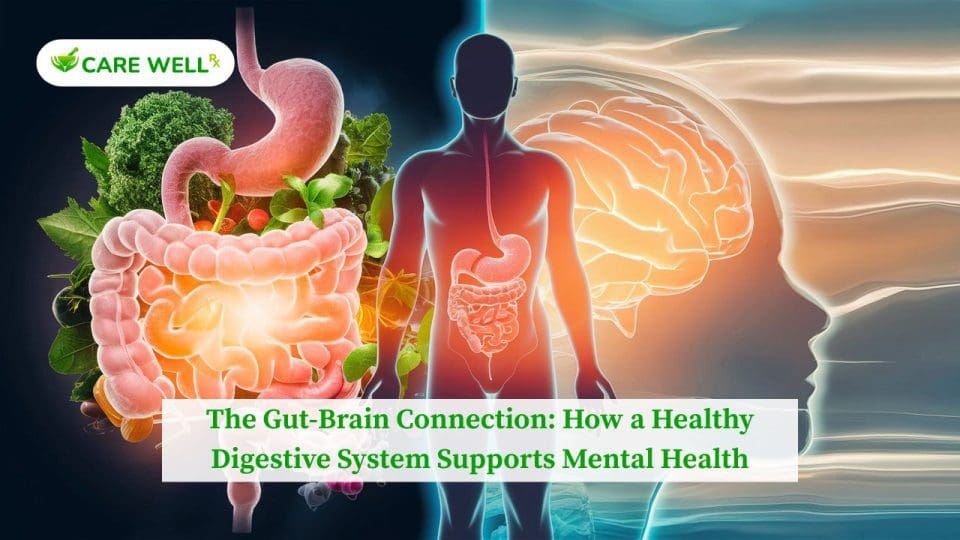
The gut brain connection refers to the bidirectional communication between your central nervous system (CNS) and your gastrointestinal tract (GI). This communication occurs through the vagus nerve, neurotransmitters, hormones, and immune system responses.
Your gut is home to trillions of microorganisms—collectively called the gut microbiome—which influence digestion, immunity, inflammation, and mental health.
- Gut Brain Connection Explained Simply:
- The brain sends signals to the gut (e.g., stress can cause stomach upset).
- The gut sends signals to the brain (e.g., poor digestion can cause fatigue, anxiety, or brain fog).
- A healthy gut = better mental clarity, mood, and cognitive function.
- Top Gut Brain Connection Symptoms to Watch For
Many people don’t realize that their digestive issues may be tied to their mental well-being. Here are the most common gut brain connection symptoms:
Digestive Symptoms:
- Bloating
- Constipation or diarrhea
- IBS (Irritable Bowel Syndrome)
- Acid reflux
Mental Health Symptoms:
- Anxiety
- Depression
- Chronic stress
- Brain fog
- Mood swings
- Low motivation
Cognitive Symptoms:
- Difficulty concentrating
- Fatigue
- Poor memory
- Sleep disturbances
These symptoms often go hand-in-hand. For example, anxiety can worsen IBS, and chronic gut inflammation can trigger depressive episodes.
Fun Fact: Up to 95% of serotonin, a “feel-good” neurotransmitter, is produced in the gut!
Science Behind the Gut Microbiome and Mental Health
The gut microbiome and mental health are closely intertwined. An imbalance in gut bacteria (dysbiosis) can increase the risk of mental health disorders.
Key Ways the Gut Affects the Brain:
- Neurotransmitter Production
- Gut bacteria produce neurotransmitters like serotonin, dopamine, and GABA that directly influence mood.
- Immune System Activation
- Gut inflammation can trigger neuroinflammation, contributing to depression and anxiety.
- The Vagus Nerve
- This “information highway” allows the gut to send messages to the brain and vice versa.
- Short Chain Fatty Acids (SCFAs)
- These are byproducts of gut bacteria digesting fiber and have anti-inflammatory effects on the brain.
Research Insight: A 2020 study in Nature Microbiology found that people with depression had lower levels of certain beneficial gut bacteria, reinforcing the gut health and mental health link.
How Gut Health Affects Mental Clarity and Focus
Ever felt mentally sluggish after eating junk food? That’s not a coincidence.
The gut-brain axis plays a direct role in mental clarity. When your gut is inflamed, leaking toxins into the bloodstream (a condition called leaky gut), your brain becomes foggy and less efficient.
Some common ways poor gut health affects focus:
- Increased inflammation disrupts brain signaling.
- Lack of nutrient absorption affects cognitive performance.
- Gut dysbiosis alters sleep and mood-regulating hormones.
Improving your gut health can lead to sharper memory, better decision-making, and enhanced emotional resilience.
Best Foods for Gut Brain Health
What you eat significantly impacts your gut-brain axis. Here are the top foods for gut brain health:
1. Fermented Foods
- Yogurt, kefir, kimchi, sauerkraut, miso
- Rich in probiotics that replenish healthy bacteria
2. Prebiotic-Rich Foods
- Bananas, garlic, onions, asparagus, oats
- Feed the good bacteria in your gut
3. Omega-3 Fatty Acids
- Salmon, flaxseed, walnuts
- Reduce gut and brain inflammation
4. Fiber-Rich Foods
- Leafy greens, legumes, whole grains
- Promote digestion and SCFA production
5. Polyphenol-Rich Foods
- Berries, green tea, olive oil, dark chocolate
- Support brain health through antioxidant activity
Pro Tip: Avoid ultra-processed foods and refined sugars—they feed harmful bacteria and increase gut brain connection symptoms.
How to Improve the Gut Brain Axis Naturally
Improving your gut brain axis can lead to long-term benefits for both your digestion and your mental health. Here are actionable steps:
1. Eat More Fiber
Fiber feeds good bacteria and helps regulate digestion. Aim for 25–30g per day.
2. Add Probiotics and Prebiotics
Include fermented foods daily and consider a probiotic supplement (more below).
3. Stay Hydrated
Water aids digestion and nutrient absorption.
4. Manage Stress
Chronic stress harms the gut lining and alters microbiota. Practice:
- Deep breathing
- Meditation
- Yoga
- Journaling
5. Get Quality Sleep
Poor sleep disrupts the microbiome and hormone balance.
6. Move Daily
Exercise improves digestion, reduces stress, and boosts brain function.
Try walking for 30 minutes a day to support both gut health and mental health.
Supplements That Support the Gut-Brain Axis
While food should be your first line of defense, certain natural supplements can enhance your gut-brain health:
1. Probiotics
- Strains like Lactobacillus and Bifidobacterium support mood and digestion.
2. Omega-3 Fish Oil
- Reduces inflammation and improves cognitive function.
3. L-Glutamine
- Heals the gut lining, ideal for leaky gut sufferers.
4. Magnesium
- Calms the nervous system and supports digestive muscles.
5. Ashwagandha or Rhodiola
- Adaptogens that lower stress and improve gut-brain signaling.
Before starting any supplement, consult your pharmacist or healthcare provider to ensure its suitable for your condition.
- When to Seek Help
If you’re experiencing persistent gut brain connection symptoms like digestive discomfort along with anxiety, depression, or brain fog, it’s essential to seek medical advice.
A registered dietitian, pharmacist, or integrative medicine practitioner can:
- Assess your symptoms
- Recommend testing (e.g., stool tests, food sensitivities)
- Suggest targeted therapies or supplements
- Final Thoughts: Heal Your Gut, Calm Your Mind
Your gut and brain are in constant communication, and taking care of your digestive health can lead to profound improvements in mental clarity, mood, and overall well-being.
By understanding and recognizing gut brain connection symptoms, incorporating the right foods, managing stress, and using science-backed supplements, you can take control of your health—starting from the inside out.
- The gut brain connection plays a crucial role in mental and digestive health.
- Symptoms like bloating, brain fog, and mood swings are signs of imbalance.
- Focus on fiber, probiotics, healthy fats, and fermented foods to boost gut health.
- Supplements like probiotics, omega-3s, and magnesium can support the gut brain axis.
- A healthy gut = sharper mind, balanced mood, and more energy.
Your Next Step: Visit Carewell Pharmacy
At Carewell Pharmacy, we’re committed to your total wellness. Whether you’re looking for high-quality probiotics, brain-boosting supplements, or natural solutions for digestion, our expert pharmacists are here to help.
Start improving your gut-brain health today—because a healthy gut means a happier you.
Disclaimer:
This content is for informational purposes only and does not constitute medical advice. Please consult your healthcare provider or pharmacist before making any changes to your medication routine. Always follow the guidance of your healthcare professionals regarding your prescriptions and health management.